Ak Expert
If there’s one thing that quietly shapes your pet’s entire life—their energy, their coat, their mood, their years—it’s what’s in their bowl. And yet feeding is one of those areas where well-meaning owners get it wrong all the time, not out of neglect, but because pet food marketing is confusing and advice online is everywhere and contradictory. Let’s cut through the noise and talk about what actually matters when it comes to feeding your pet well.
🥩 1. Quality Ingredients Actually Matter
Not all pet food is created equal, no matter what the price tag suggests. Look for real, named protein sources—chicken, beef, salmon—rather than vague terms like “meat by-products.” The first few ingredients on the label tell you the most, since they make up the bulk of what’s in the bag. A little label-reading goes a long way toward avoiding fillers dressed up as nutrition.
📊 2. Understand Life Stage Nutrition
A puppy and a senior dog have wildly different nutritional needs, and the same goes for kittens versus adult cats. Growing animals need more protein and calories to support development, while older pets often need fewer calories but more joint and organ support. Feeding an all-life-stages formula can work, but stage-specific food is usually better tailored to what your pet needs right now.
⚖️ 3. Portion Control Prevents Problems
It’s tempting to fill the bowl generously, especially when your pet gives you those eyes. But overfeeding is one of the most common (and preventable) issues in pet care. Follow feeding guidelines as a starting point, then adjust based on your individual pet’s weight, activity level, and body condition—not just what the bag says, since those guidelines are often generous estimates.
🕐 4. Establish a Consistent Feeding Schedule
Pets thrive on routine, and mealtime is no exception. Free-feeding (leaving food out all day) often leads to overeating and makes it hard to notice appetite changes, which are an early sign of illness. Scheduled meals—typically twice a day for adult dogs and cats—help you monitor intake and keep their digestive system on a predictable rhythm.
💧 5. Never Underestimate Hydration
Food isn’t the whole story—water plays an equally important role in your pet’s health. Fresh, clean water should always be available, and it should actually look appealing, not sitting stagnant for days. Cats in particular can be finicky about water source and cleanliness, so a fountain or extra bowls around the house can encourage them to drink more.
🚫 6. Know What Foods Are Toxic
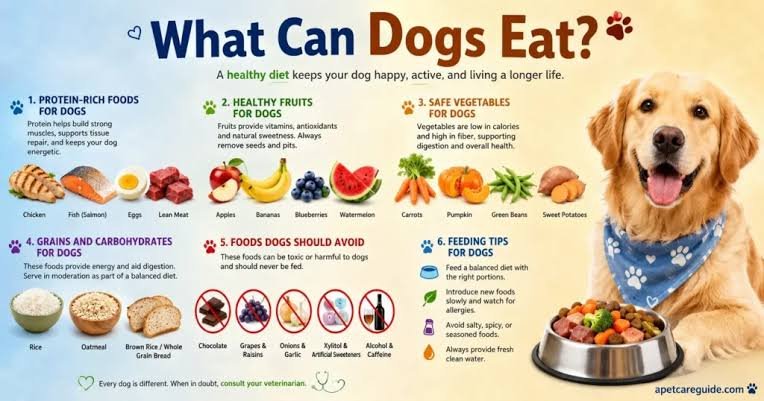
Some human foods that seem harmless can be seriously dangerous for pets. Chocolate, grapes, onions, garlic, and xylitol (a common sweetener) are all toxic to dogs and cats in varying degrees. Keep a running mental list—or better, a note on your fridge—of what’s off-limits, especially if you have young kids who might sneak snacks to the family pet.
🍖 7. Treats Should Be the Exception, Not the Rule
Treats are a great tool for training and bonding, but they add up calorically faster than most people realize. A general rule of thumb is that treats shouldn’t make up more than 10% of your pet’s daily caloric intake. If you’re treating heavily, consider factoring that into their regular meal portions so you’re not accidentally overfeeding.
🐟 8. Consider Breed and Size-Specific Needs
Small breed dogs often have faster metabolisms and may need more frequent, smaller meals, while large breeds can be prone to joint issues that benefit from specific nutritional support. Cats, being obligate carnivores, need higher protein diets than dogs. Researching your specific pet’s needs helps you choose food that’s actually built for them, not just generically “good.”
🌾 9. Grain-Free Isn’t Always Better
Grain-free diets became trendy, but they’re not automatically healthier—in fact, some research has linked certain grain-free formulas to heart issues in dogs. Unless your pet has a diagnosed grain allergy or sensitivity, whole grains can actually be a healthy, digestible part of their diet. Don’t assume trendy means correct; talk to your vet before making major dietary shifts.
🥗 10. Homemade Diets Require Real Care
Cooking for your pet can feel like an act of love, and it can absolutely be done well—but it requires real nutritional knowledge to avoid deficiencies. Dogs and cats need specific ratios of vitamins, minerals, and amino acids that are easy to get wrong without guidance. If you’re going the homemade route, work with a veterinary nutritionist rather than relying on random recipes online.
🧴 11. Supplements: Helpful, Not Automatic
Not every pet needs supplements, despite what pet store shelves might suggest. Omega-3s, glucosamine, and probiotics can genuinely help certain pets—like senior dogs with joint issues—but adding supplements without a clear reason can throw off nutritional balance. Ask your vet before adding anything extra to a diet that’s already complete and balanced.
🐾 12. Watch for Food Allergies and Sensitivities
Some pets develop allergies or sensitivities to specific proteins or ingredients, often showing up as itchy skin, digestive upset, or chronic ear infections. If you notice these signs, an elimination diet under your vet’s guidance can help pinpoint the culprit. Don’t just guess and switch foods repeatedly—it makes the problem harder to diagnose.
🦴 13. Special Diets for Health Conditions
Pets with conditions like kidney disease, diabetes, or obesity often benefit from prescription or therapeutic diets designed specifically for their needs. These aren’t just marketing—they’re formulated to manage specific health issues in ways regular food can’t. If your vet recommends one, it’s worth the investment, even if it costs more than standard food.
🔄 14. Transition Foods Gradually
Switching your pet’s food abruptly can cause digestive upset, even if the new food is technically “better.” A gradual transition over 7-10 days—slowly increasing the new food while decreasing the old—gives their gut time to adjust. Patience here saves you (and your carpet) from unnecessary stomach troubles.
📏 15. Monitor Body Condition, Not Just the Scale
Weight alone doesn’t tell the full story—body condition does. You should be able to feel your pet’s ribs without heavy pressure, see a visible waist from above, and notice a slight abdominal tuck from the side. Regularly checking body condition, rather than fixating on a number, gives you a more accurate read on whether their diet is working.
🐕🦺 16. Senior Pets Need Dietary Adjustments
As pets age, their metabolism slows, and their nutritional needs shift accordingly. Senior-specific diets often have fewer calories, added joint support, and easier-to-digest ingredients. Don’t wait for obvious signs of aging to make this switch—talk to your vet about timing it appropriately for your pet’s breed and size.
💛 17. When in Doubt, Ask Your Vet
With so much conflicting information out there, your vet remains the most reliable source for your specific pet’s dietary needs. They know your pet’s history, breed tendencies, and any health concerns that should shape their diet. A quick conversation at your next checkup can save you from a lot of guesswork and unnecessary product purchases.
Feeding your pet well isn’t about finding one “perfect” food and sticking with it forever—it’s an ongoing process of paying attention, adjusting as needed, and staying informed. Every pet is different, and what works beautifully for one might not suit another. Trust the fundamentals, lean on your vet when you’re unsure, and remember: a well-fed pet isn’t just a healthy one, it’s a happier, more energetic companion for the years you’ll spend together. 🍽️🐾