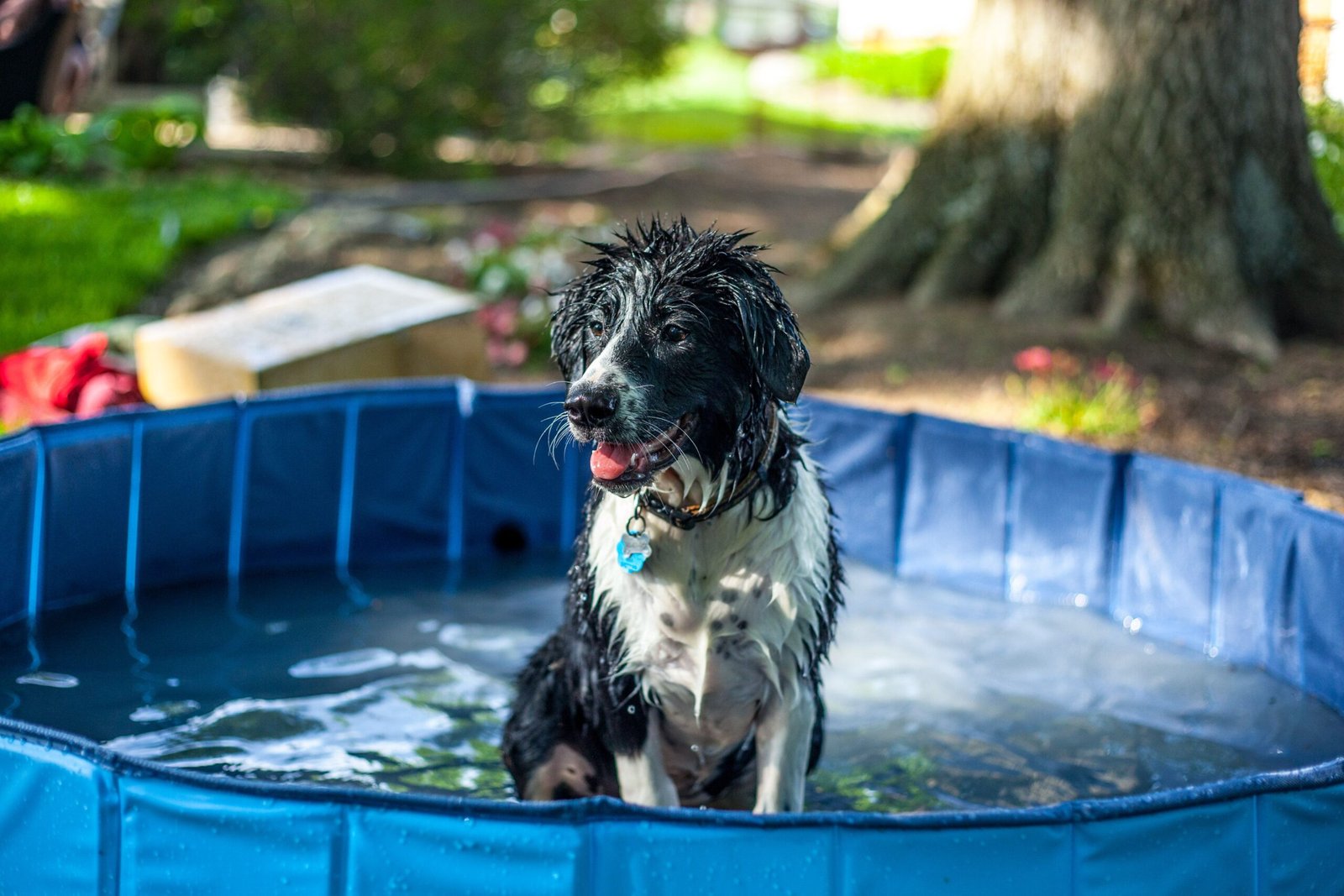
🐶 7 Essential Tips for First-Time Dog Owners: Complete Beginner’s Guide
Bringing a new dog into your home is one of the most exciting moments in life! However, becoming a pet parent also comes with important responsibilities. Whether you just adopted a puppy or a fully grown dog, this guide covers everything you need to know to give your furry friend a happy and healthy life.
1. Create a Safe and Comfortable Space 🏠
Before bringing your dog home, make sure your space is pet-proofed:
- Remove Hazardous Items: Keep electrical cords, toxic plants, and small objects out of reach.
- Set Up a Cozy Bed: Provide a warm, quiet corner with a comfortable pet bed where your dog can rest undisturbed.
- Get Essential Supplies: Food bowls, water dishes, a sturdy leash, collar with ID tags, and a few safe chew toys.
2. Establish a Consistent Daily Routine ⏰
Dogs thrive on predictability. Setting up a regular schedule for feeding, potty breaks, and walks helps reduce anxiety and speed up house training:
- Feeding: Feed your dog at the same times every day.
- Potty Breaks: Take puppies out every 2–3 hours and adult dogs 3–4 times daily.
- Sleep Schedule: Maintain consistent bedtime routines.
3. Choose the Right Balanced Nutrition 🥩
Proper diet is crucial for your dog’s growth, immunity, and energy levels:
- Select high-quality dog food tailored to your dog’s breed size, age, and activity level.
- Always keep a fresh bowl of clean water accessible.
- Avoid feeding toxic human foods like chocolate, onions, grapes, raisins, and artificial sweeteners (Xylitol).
4. Prioritize Exercise and Mental Stimulation 🎾
A tired dog is a happy dog! Physical exercise prevents obesity, while mental games stop destructive behaviors like chewing or excessive barking:
- Take daily walks lasting at least 30 to 60 minutes depending on the breed.
- Play fetch, tug-of-war, or use puzzle toys to keep their mind sharp.
5. Start Early Positive Reinforcement Training 🎓
Training builds trust between you and your pet. Always use positive reinforcement techniques:
- Reward good behavior with treats, praise, and gentle pets.
- Never use physical punishment or harsh yelling, as it causes fear and aggression.
- Teach essential basic commands first: Sit, Stay, Come, and Leave it.
6. Keep Up with Grooming and Hygiene 🧼
Regular grooming keeps your dog looking great and prevents skin infections:
- Brushing: Brush their coat 2–3 times a week to reduce shedding.
- Bathing: Bathing once a month (or when dirty) with dog-safe shampoo.
- Dental Care: Brush their teeth regularly or offer dental chews.
- Nail Trimming: Trim nails every few weeks to avoid painful overgrowth.
7. Regular Veterinary Check-Ups 🏥
Partnering with a trusted veterinarian ensures your dog stays healthy long-term:
- Schedule annual health check-ups and core vaccinations.
- Keep up with monthly flea, tick, and heartworm prevention.
- Spay or neuter your pet to prevent health issues and unwanted behaviors.
📝 Blog Post 2: Cat Nutrition Guide
🐱 What Foods Are Safe for Cats? Ultimate Feline Feeding Guide
Cats are obligate carnivores, which means their body depends on meat-based proteins to thrive. Feeding your cat a proper balance of nutrients is key to a shiny coat, strong muscles, and long life. In this guide, we break down what cats should eat, safe treats, and foods to avoid at all costs.
1. Understanding Your Cat’s Nutritional Needs 🍗
Unlike dogs or humans, cats require specific nutrients that are only found in animal tissues:
- High Protein: Protein builds muscle, fur, and essential antibodies.
- Taurine: An essential amino acid for vision, digestion, and heart health.
- Moisture: Cats naturally have a low thirst drive, so wet food helps prevent kidney disease and urinary tract infections.
2. Safe and Healthy Foods for Cats 🟢
You can occasionally supplement your cat’s commercial diet with these safe, plain human foods:
- Cooked Meat: Unseasoned chicken, turkey, and lean beef (cooked thoroughly).
- Cooked Fish: Salmon or tuna (plain, cooked, and served occasionally).
- Cooked Eggs: Packed with protein and vitamins (never raw).
- Steamed Vegetables: Small amounts of cooked carrots, pumpkin, or green beans for digestion.
3. Toxic Foods You Should NEVER Feed Your Cat 🔴
Some common kitchen items are highly poisonous to cats:
- Onions and Garlic: Destroys red blood cells and causes severe anemia.
- Chocolate and Caffeine: Causes heart palpitations, muscle tremors, and seizures.
- Grapes and Raisins: Can trigger sudden kidney failure.
- Dairy Products & Milk: Most adult cats are lactose intolerant, causing severe stomach upset.
- Raw Meat/Fish/Eggs: Carries risks of Salmonella and E. coli bacteria.
4. Wet Food vs. Dry Food: Which Is Better? 🥣
- Wet Food: Provides hydration, higher protein content, and fewer carbs. Great for urinary health.
- Dry Kibble: Convenient and helps clean teeth slightly, but lacks sufficient moisture.
- Best Strategy: A combination of both wet and dry food usually offers the best balance of nutrition and convenience.
📝 Blog Post 3: Pet Health & Safety
⚠️ 10 Toxic Household Items That Dangerously Threaten Your Pets
Our homes are filled with everyday items that seem harmless to us but can pose severe risks to dogs and cats. Being aware of these household hazards can save your pet’s life!
1. Human Medications 💊
Painkillers like Ibuprofen, Paracetamol (Tylenol), and Aspirin are extremely toxic to pets and can cause kidney failure, liver failure, or stomach ulcers.
2. Toxic Houseplants 🌿
Many common indoor plants are poisonous:
- Lilies: Extremely fatal to cats (even small amounts of pollen can cause acute kidney failure).
- Aloe Vera, Monstera, and Pothos: Cause severe mouth irritation, vomiting, and difficulty swallowing.
3. Artificial Sweeteners (Xylitol / Birch Sugar) 🍬
Found in sugar-free gum, peanut butter, baked goods, and toothpaste. Xylitol causes a rapid drop in blood sugar (hypoglycemia) and liver failure in dogs.
4. Cleaning Products & Chemicals 🧹
Bleach, drain openers, disinfectant sprays, and toilet bowl cleaners contain harsh chemicals that cause internal chemical burns if ingested or licked off paws.
5. Essential Oils and Air Fresheners 🌸
Oils like tea tree, eucalyptus, peppermint, and citrus can be toxic to cats and dogs when diffused or applied to skin, causing respiratory distress and liver toxicity.
6. Rodenticides and Bug Sprays 🐜
Rat poison and pest killers are designed to taste appealing, making them extremely dangerous. Ingestion causes severe internal bleeding and nervous system collapse.
7. Chocolate, Coffee, and Alcohol ☕
Contains methylxanthines (theobromine and caffeine) which cause vomiting, diarrhea, abnormal heart rhythm, and potentially death.
8. Lawn Fertilizers and Pesticides 🌾
Chemicals used on garden lawns can be ingested when pets walk on the grass and lick their paws later.
9. Small Plastic Objects, Batteries, and Coins
Swallowing small toys, hair ties, or coins can cause choking or intestinal blockages that require emergency surgery. Batteries leak acid causing severe internal burns.
10. Antifreeze (Ethylene Glycol) 🚗
Antifreeze has a sweet taste that attracts animals, but even a tiny lick can cause fatal kidney failure within hours.