Ak Expert
There’s a reason people say dogs make life better—that tail-wagging greeting at the door has a way of turning around even the roughest day. But that joy comes with responsibility. A healthy, happy dog doesn’t happen by accident; it’s the result of consistent care across a handful of key areas. The good news? None of it requires perfection, just a bit of know-how and genuine attention. Here’s what actually matters.
🍖 1. Feed a High-Quality, Age-Appropriate Diet
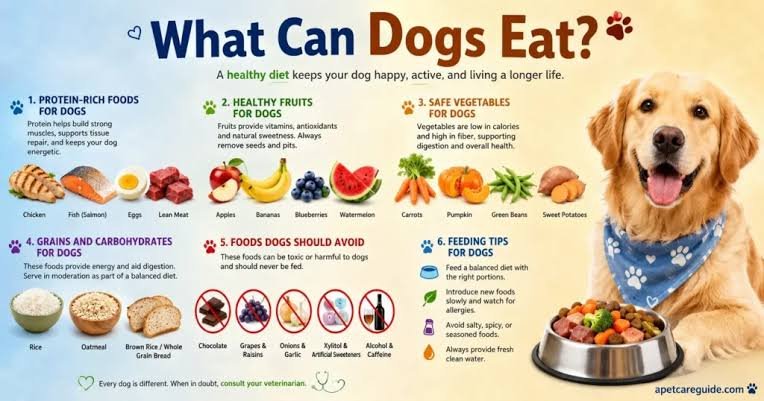
Good nutrition is the foundation everything else builds on. Choose food with real, named protein sources listed first, and match it to your dog’s life stage—puppies, adults, and seniors all have different nutritional needs. Skip the bargain-bin bags loaded with fillers; your dog’s energy, coat, and long-term health will show the difference.
⚖️ 2. Keep an Eye on Their Weight
Extra pounds on a dog aren’t just cosmetic—they strain joints, the heart, and lungs, and can shave real years off their life. You should be able to feel their ribs without pressing hard and see a visible waist from above. If you’re unsure whether your dog’s at a healthy weight, your vet can help you set a realistic target and adjust portions accordingly.
🏃 3. Prioritize Daily Exercise
Dogs need regular movement, and the amount depends heavily on breed, age, and energy level. A high-energy Border Collie needs a lot more than a leisurely stroll, while a senior Bulldog might be perfectly content with a gentle walk. Whatever the level, consistent daily exercise keeps them physically fit and noticeably calmer at home.
🧠 4. Don’t Neglect Mental Stimulation
Physical exercise is only half the equation—dogs need mental engagement too. Puzzle toys, training sessions, new walking routes, or a simple game of hide-and-seek with treats can keep their brain sharp. A mentally under-stimulated dog often becomes a bored, anxious, or destructive one, so this isn’t optional, just easy to overlook.
�� 5. Stay Current on Vet Checkups
Annual wellness visits (or twice yearly for seniors) let your vet catch subtle issues—weight changes, heart murmurs, early dental problems—long before they become obvious or serious. Don’t wait for visible symptoms to book an appointment; prevention is almost always cheaper and easier than treatment.
💉 6. Keep Vaccinations and Preventatives Updated
Vaccines protect against diseases that are often serious and entirely preventable, and boosters need to stay on schedule throughout your dog’s life. Pair that with monthly flea, tick, and heartworm prevention, since these parasites can cause real damage and are far easier to prevent than to treat after the fact.
🦷 7. Make Dental Care a Habit
Dental disease is one of the most common yet overlooked health issues in dogs, and it’s linked to heart and kidney problems if left unchecked. Brushing a few times a week, offering dental chews, and scheduling professional cleanings when your vet recommends them can spare your dog a lot of discomfort down the line.
🛁 8. Groom Regularly, Not Just for Looks
Brushing isn’t only about a shiny coat—it reduces shedding, prevents painful matting, and gives you a chance to spot lumps, ticks, or skin issues early. Nail trims prevent overgrown, uncomfortable paws, and ear cleaning (especially for floppy-eared breeds) helps ward off infections. Grooming needs vary by breed, so tailor the routine to your dog specifically.
🎓 9. Invest in Positive Reinforcement Training
Training isn’t just about good manners—it builds trust and keeps your dog safe in real situations, like coming back when called near traffic. Reward-based training tends to build a stronger bond than punishment-based methods, and it makes daily life together noticeably smoother for both of you.
🤝 10. Socialize Early and Often
Positive exposure to new people, dogs, and environments—especially during puppyhood—helps build a confident, well-adjusted adult dog. It’s not too late for older dogs either; gradual, gentle socialization can still make a real difference in reducing fear or reactivity.
😌 11. Learn to Read Their Body Language
Dogs communicate constantly through posture, ears, tail position, and subtle behavior shifts—you just have to learn to notice it. Recognizing early signs of stress, discomfort, or illness (a tucked tail, unusual panting, avoidance) lets you respond before a small issue becomes a bigger one. Trust your gut if something feels off.
🏠 12. Create a Safe, Comfortable Home Environment
Dog-proof your space by securing toxic foods, plants, and chemicals out of reach, and give your dog a cozy spot that’s genuinely theirs—a bed, crate, or quiet corner. Having a predictable retreat helps dogs feel secure, especially during stressful moments like thunderstorms or visitors.
🌡️ 13. Adjust Care With the Seasons
Summer heat is genuinely dangerous, especially for flat-faced breeds—never leave a dog in a hot car, even briefly. Winter brings its own risks, from cold-sensitive paws to antifreeze poisoning from driveway puddles. Adjusting walks, gear, and precautions with the seasons keeps your dog safer year-round.
👴 14. Adapt Care as They Age
Senior dogs need softer food, more frequent vet visits, joint support, and gentler exercise expectations than they did in their younger years. That slower walk or extra nap isn’t laziness—it’s just a new phase worth honoring with patience rather than frustration.
💛 15. Give Them Consistent Love and Attention
At the core of all this, dogs thrive on routine, connection, and knowing they’re genuinely valued. The walks, the vet visits, the training—all of it really comes back to showing up for them consistently. That consistency is what they feel most, more than any single “perfect” thing you do.
Keeping a dog healthy, active, and happy isn’t about mastering some elaborate checklist—it’s about steady, genuine care across the basics, day after day. Pay attention, stay consistent, and lean on your vet when something feels uncertain. In return, you get one of the most loyal, joyful companions life has to offer—and honestly, that’s a pretty good trade. 🐕💛