Ak Expert
Walk down any pet store aisle and you’ll be bombarded with bags promising “premium,” “natural,” or “veterinarian recommended” — and somehow none of it makes the decision any easier. Figuring out what to actually feed your dog can feel like a research project you never signed up for. The good news is that once you understand the basics of canine nutrition, the noise gets a lot quieter. Here’s a genuinely useful breakdown of what belongs in your dog’s bowl and why.
🥩 1. Protein Should Be the Star
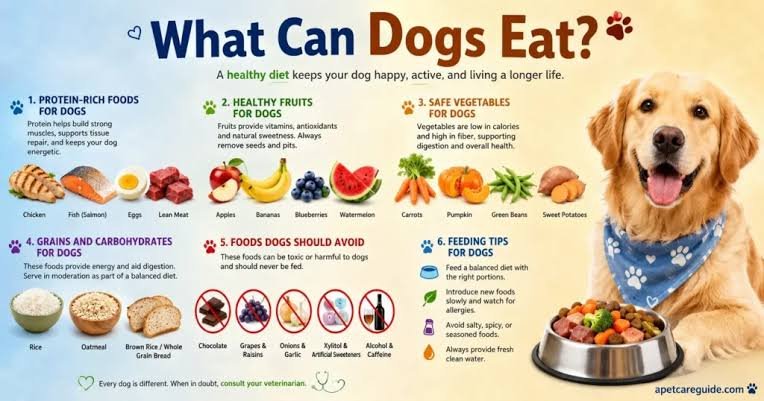
Dogs are primarily carnivorous, and quality protein should make up a significant portion of their diet. Look for real, named meat sources—chicken, beef, lamb, fish—listed as the first ingredient, rather than vague terms like “meat meal” or “animal by-products.” Protein supports muscle maintenance, energy levels, and overall vitality, so it’s not a place to cut corners.
🌾 2. Carbohydrates Aren’t the Enemy
Despite the grain-free trend, healthy carbohydrates like brown rice, oats, and sweet potatoes can provide dogs with digestible energy and important fiber. Unless your dog has a diagnosed grain sensitivity, whole grains are generally safe and beneficial, not something to avoid on principle. Balance matters more than eliminating entire food groups based on trends.
🥑 3. Healthy Fats Matter Too
Fats often get an undeserved bad reputation, but they’re essential for energy, skin health, and a shiny coat. Omega-3 and omega-6 fatty acids, found in sources like fish oil and flaxseed, support joint health and can even help with inflammation. The key is moderation—too much fat contributes to weight gain, but too little leaves your dog’s coat dull and skin dry.
🥕 4. Fruits and Vegetables Add Real Value
Many fruits and vegetables offer vitamins, antioxidants, and fiber that support digestion and immune health. Carrots, blueberries, green beans, and pumpkin are popular, safe additions that most dogs genuinely enjoy. Just remember these should complement a balanced diet, not replace core nutritional components.
🚫 5. Know Which Human Foods Are Toxic
Some foods that are perfectly fine for us are dangerous, even lethal, for dogs. Chocolate, grapes, raisins, onions, garlic, and xylitol (found in sugar-free gum and some peanut butters) can cause serious harm in relatively small amounts. Keep a mental list of these, and double-check before sharing anything from your own plate.
🍗 6. Understand Commercial Food Labels
Reading a dog food label takes a little practice, but it’s worth learning. Ingredients are listed by weight, so the first few tell you the most about what’s actually in the bag. Look for an AAFCO statement confirming the food is “complete and balanced” for your dog’s specific life stage, which is a more reliable marker than flashy marketing claims.
📊 7. Match Food to Life Stage
Puppies, adults, and seniors all have different caloric and nutrient needs, and feeding the wrong life-stage formula can lead to deficiencies or excess. Puppies need more protein and calories to fuel growth, while seniors often benefit from fewer calories and added joint support. Check the label matches where your dog actually is, not just what’s convenient to buy in bulk.
🐾 8. Consider Breed and Size Differences
Small breed dogs tend to have faster metabolisms and may do better with more calorie-dense, smaller kibble, while large breeds benefit from controlled calcium levels to support healthy joint and bone development. Some brands offer breed-specific formulas, but at minimum, choosing a size-appropriate formula (small, medium, or large breed) makes a real difference.
🥗 9. Homemade Diets Require Careful Planning
Cooking for your dog can be a wonderful way to control exactly what goes into their meals, but it’s easy to accidentally create nutritional gaps without proper guidance. Dogs need specific ratios of vitamins, minerals, and amino acids that aren’t intuitive to balance on your own. If you go this route, working with a veterinary nutritionist helps ensure the diet is actually complete, not just well-intentioned.
🦴 10. Raw Diets: Weigh the Pros and Cons
Raw feeding has passionate advocates, and some dogs do seem to thrive on it, but it comes with real risks—bacterial contamination, nutritional imbalance, and bone-related injuries if not done correctly. If you’re considering raw feeding, thorough research and veterinary guidance are essential rather than optional, since the margin for error is higher than with commercial food.
🧴 11. Supplements Should Fill Real Gaps
Not every dog needs supplements, but some genuinely benefit from them—omega-3s for skin and coat, glucosamine for joint support in older or larger dogs, probiotics for digestive sensitivity. Adding supplements without a clear reason can throw off an otherwise balanced diet, so it’s worth checking with your vet before adding extras.
🐕🦺 12. Prescription Diets Serve a Real Purpose
For dogs with conditions like kidney disease, food allergies, or obesity, prescription diets are formulated to address those specific issues in ways regular food simply can’t. These aren’t just a upsell—if your vet recommends one, it’s typically because the condition genuinely requires that level of nutritional precision.
⚖️ 13. Portion Control Prevents Long-Term Problems
Even the healthiest food can lead to obesity if you’re overfeeding, and feeding guidelines on bags are often generous starting estimates rather than exact prescriptions. Adjust portions based on your dog’s actual body condition, activity level, and how they respond, rather than rigidly following the bag.
🍖 14. Treats Should Stay a Small Percentage
Treats are useful for training and bonding, but they add calories quickly, especially with smaller dogs. A general guideline is keeping treats under 10% of daily caloric intake, and choosing healthier options—small pieces of lean meat or dog-safe vegetables—over calorie-dense commercial treats when possible.
🔄 15. Transition Foods Slowly
Switching foods abruptly, even to a “better” option, can cause digestive upset. Gradually mixing in the new food over 7-10 days while decreasing the old one gives your dog’s digestive system time to adjust without the unpleasant side effects of a sudden switch.
💧 16. Don’t Forget Water Alongside Food
Diet isn’t just about what’s in the bowl—fresh water needs to be consistently available too, especially if you’re feeding dry kibble, which has minimal moisture content. Proper hydration supports digestion and overall organ function just as much as the food itself does.
💛 17. When in Doubt, Ask Your Vet
With so many options and conflicting opinions online, your vet remains the most reliable resource for your specific dog’s dietary needs. They know your dog’s health history, breed tendencies, and any existing conditions that should shape their food choices, making that conversation worth far more than another hour of internet research.
There’s no single “best” food that works for every dog—the right choice depends on your dog’s age, breed, health, and individual needs. Focus on quality ingredients, appropriate portions, and consistency, and don’t be afraid to loop in your vet when you’re unsure. Getting the diet right isn’t just about avoiding problems; it’s one of the most direct ways to give your dog a longer, more energetic, and genuinely happier life. 🐕🍖