Ak Expert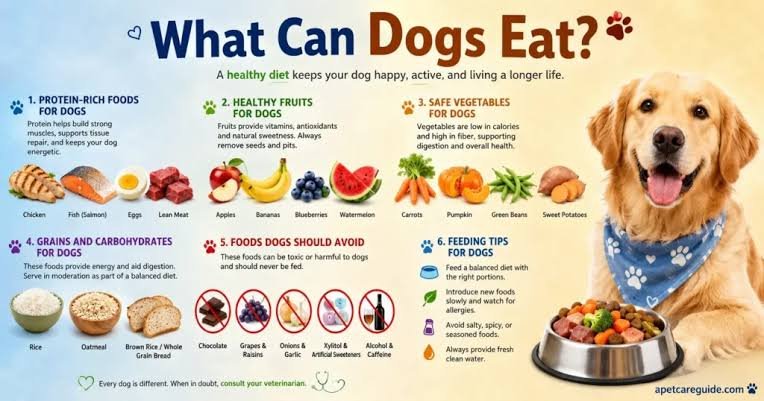
Every dog owner has been there—you’re eating something at the counter, and those big pleading eyes lock onto you like you’re the last hope on earth. Sharing feels natural, even loving, but some foods that seem totally harmless to us can be genuinely dangerous, even fatal, to dogs. Knowing exactly what’s off-limits isn’t about being overly cautious; it’s about protecting your dog from mistakes that are entirely preventable. Here’s the real, practical guide to what should never end up in your dog’s bowl.
🍫 1. Chocolate
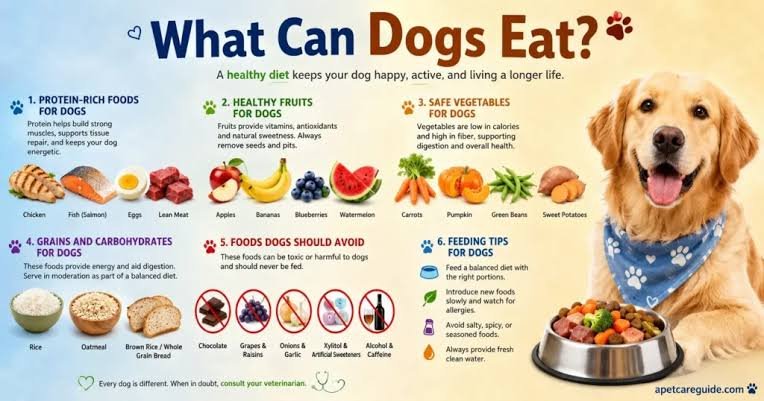
This one’s probably the most well-known, and for good reason. Chocolate contains theobromine and caffeine, both of which dogs metabolize far more slowly than humans, leading to toxicity. Dark and baking chocolate are the most dangerous, but even milk chocolate in large enough amounts can cause vomiting, rapid heart rate, seizures, or worse. If your dog eats any chocolate, call your vet or a pet poison hotline immediately rather than waiting to see what happens.
🍇 2. Grapes and Raisins
Even a small amount of grapes or raisins can cause sudden kidney failure in some dogs, and researchers still don’t fully understand why certain dogs are more sensitive than others. Because there’s no known “safe” amount, the safest approach is total avoidance, including foods that contain raisins baked into them, like trail mix or certain granola bars.
🧅 3. Onions, Garlic, and Chives
These members of the allium family damage a dog’s red blood cells, potentially leading to anemia, whether eaten raw, cooked, or in powdered form. This includes seemingly innocent sources like onion powder in seasoned foods, garlic bread, or certain broths. Symptoms may not appear immediately, sometimes showing up days after ingestion, which makes accidental exposure especially sneaky.
🍬 4. Xylitol
This sugar substitute, found in sugar-free gum, candy, some peanut butters, and baked goods, is extremely toxic to dogs even in tiny amounts. It causes a rapid insulin release, leading to dangerous blood sugar drops and potential liver failure. Always check ingredient labels on “sugar-free” products before sharing anything with peanut butter or similar spreads, since xylitol has become increasingly common.
🍷 5. Alcohol
Dogs are far more sensitive to alcohol than humans, and even small amounts can cause significant harm to their central nervous system. This includes obvious sources like beer or wine, but also foods made with alcohol, like certain desserts or fermented dough. Symptoms can include disorientation, vomiting, difficulty breathing, and in severe cases, coma.
☕ 6. Caffeine
Coffee, tea, energy drinks, and even some medications contain caffeine, which affects a dog’s heart and nervous system similarly to theobromine in chocolate. Symptoms of caffeine toxicity include restlessness, rapid breathing, muscle tremors, and an elevated heart rate. Keep your morning coffee and any caffeinated products well out of reach.
🥑 7. Avocado
Avocado contains a substance called persin, which can cause vomiting and diarrhea in dogs, though they’re generally less sensitive to it than birds or horses. The bigger danger is often the pit itself, which poses a serious choking and intestinal blockage risk. It’s generally safest to just avoid feeding avocado altogether rather than assuming a small amount is fine.
🍞 8. Raw Yeast Dough
Unbaked dough containing yeast can expand in a dog’s warm stomach, causing painful bloating and potentially a life-threatening condition called gastric dilatation-volvulus (GDV). The dough’s fermentation process also produces alcohol as a byproduct, adding a second layer of danger. If your dog gets into rising dough, it’s genuinely an emergency situation.
🧂 9. Excessive Salt
While a small amount of salt isn’t necessarily dangerous, large quantities from foods like chips, pretzels, or salty table scraps can lead to sodium ion poisoning. Symptoms include excessive thirst, vomiting, tremors, and in severe cases, seizures. It’s easy to underestimate how much salt adds up in seemingly small snack portions.
🍑 10. Fruit Pits and Seeds
Pits and seeds from fruits like cherries, peaches, plums, and apples contain trace amounts of cyanide-producing compounds, and they also pose a significant choking or intestinal obstruction risk. The flesh of these fruits is often fine in moderation, but always remove pits and seeds completely before sharing any with your dog.
🥛 11. Dairy in Large Amounts
Many adult dogs are lactose intolerant to some degree, lacking enough of the enzyme needed to properly digest dairy. Small amounts of plain yogurt or cheese are usually tolerated fine, but larger quantities of milk, ice cream, or rich dairy products often lead to digestive upset, gas, or diarrhea.
🌰 12. Macadamia Nuts
Even small amounts of macadamia nuts can cause weakness, vomiting, tremors, and elevated body temperature in dogs, through a mechanism that’s still not entirely understood. Symptoms typically appear within twelve hours of ingestion and, while rarely fatal on their own, are distressing enough to warrant immediate veterinary attention.
🍖 13. Cooked Bones
While raw bones are sometimes given to dogs (with their own set of risks and precautions), cooked bones become brittle and prone to splintering, which can cause choking, or serious internal injury if swallowed. This includes chicken, turkey, and rib bones from your own meals, no matter how tempting it is to toss one their way after dinner.
💛 14. When Accidents Happen, Act Fast
Despite your best efforts, accidental ingestion can still happen—dogs are curious, and counters aren’t always as “dog-proof” as we think. If you suspect your dog has eaten something toxic, contact your vet or a pet poison hotline immediately rather than waiting for symptoms to appear, since early intervention often makes a significant difference in outcome. Keeping emergency contact numbers saved in your phone ahead of time means you won’t be scrambling to find them during a genuine crisis.
Most of these dangers come down to awareness more than anything else—once you know what to watch for, avoiding them becomes second nature. Keep dangerous foods stored securely, stay mindful during meals and holidays when scraps tend to circulate more freely, and make sure anyone else feeding your dog (family, sitters, kids) knows the basics too. A little vigilance goes a long way toward keeping your dog safe, and honestly, there are plenty of dog-safe treats out there that let you share the love without the risk. ⚠️🐕