Ak Expert

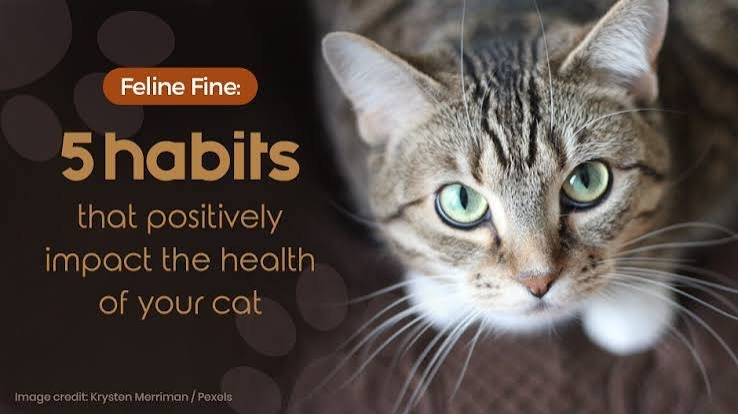
Cats have a reputation for being low-maintenance, and in some ways that’s true—they’re not demanding daily walks or constant entertainment. But “low-maintenance” doesn’t mean “no effort.” Cats have their own specific needs across diet, hygiene, health, and behavior, and understanding them makes the difference between a cat who merely tolerates you and one who genuinely trusts you. Here’s a real, practical guide to covering all the bases.
🍗 1. Feed a Protein-Rich, Species-Appropriate Diet
Cats are obligate carnivores, meaning they need a diet built primarily around animal protein to thrive, unlike dogs who can handle more variety. Look for cat food listing real meat as the first ingredient, and be cautious of high-carb fillers that don’t align with what a cat’s body actually needs. Wet food also offers a helpful hydration boost, since cats often don’t drink enough water on their own.
💧 2. Encourage Proper Hydration
Cats descend from desert-dwelling ancestors, which means their thirst drive is naturally low, even when they need more water than they’re drinking. Many cats prefer moving water, so a pet fountain can genuinely increase intake compared to a still bowl. Incorporating wet food into their diet is another easy way to support hydration without relying on them to drink more on their own.
🚻 3. Keep the Litter Box Impeccably Clean
Cats are famously particular about bathroom cleanliness, and a dirty litter box is one of the most common reasons cats start eliminating outside it. Scoop daily, and fully change the litter on a regular schedule depending on the type you use. The general rule of thumb is one litter box per cat, plus one extra, especially in multi-cat households.
🛁 4. Support Their Natural Grooming Habits
Cats are meticulous self-groomers, but they still benefit from your help, especially long-haired breeds prone to matting. Regular brushing reduces shedding, minimizes hairballs, and gives you a chance to check for lumps, fleas, or skin issues. Short-haired cats need less frequent brushing, but even a weekly session helps strengthen your bond and catch problems early.
🦷 5. Don’t Skip Dental Care
Dental disease is extremely common in cats and often goes unnoticed until it’s fairly advanced, since cats are experts at hiding discomfort. Brushing your cat’s teeth might sound ambitious, but even a few times a week with cat-specific toothpaste makes a real difference. Dental treats and regular vet checkups help catch issues before they become painful.
✂️ 6. Trim Nails and Provide Scratching Outlets
Regular nail trims prevent overgrown, uncomfortable claws and reduce damage to furniture, though declawing is widely considered inhumane and unnecessary. Instead, provide sturdy scratching posts or pads, since scratching is a natural behavior cats need for claw health and stress relief, not just mischief.
�� 7. Schedule Regular Vet Checkups
Annual wellness visits (twice yearly for senior cats) let your vet catch subtle changes in weight, kidney function, or heart health before they become serious. Cats are notorious for masking illness, so these checkups often catch problems long before you’d notice anything at home. Don’t skip visits just because your cat “seems fine.”
💉 8. Stay Current on Vaccinations and Parasite Prevention
Even indoor-only cats need core vaccines, since diseases can sneak in through open windows, on your shoes, or via an unexpected escape outside. Pair this with regular flea and parasite prevention, since fleas can infest a home surprisingly fast, even without obvious outdoor exposure.
⚖️ 9. Monitor Weight and Body Condition
Feline obesity is a widespread issue, often creeping up gradually since indoor cats get less natural exercise than their outdoor counterparts. You should be able to feel your cat’s ribs without pressing hard, and see a slight waist from above. If weight becomes a concern, your vet can help you adjust portions and activity levels appropriately.
🧠 10. Provide Mental and Physical Stimulation
Bored cats often develop destructive habits or excess weight, so regular play sessions with wand toys, laser pointers, or puzzle feeders matter more than people realize. Even ten to fifteen minutes of active play a couple times a day can meaningfully improve a cat’s mood and energy regulation. Rotating toys keeps things interesting instead of letting novelty wear off completely.
😾 11. Understand Feline Body Language
Cats communicate constantly through tail position, ear angle, and vocalizations, though their signals are often subtler than a dog’s. A flicking tail, flattened ears, or dilated pupils often signal stress or agitation, while slow blinking and a relaxed posture indicate contentment. Learning to read these cues helps you respond appropriately instead of misreading affection or irritation.
🏠 12. Create an Enriching Indoor Environment
Cats benefit enormously from vertical space—cat trees, shelves, or window perches—that let them observe their territory from up high, which satisfies a deep-seated instinct. Scratching posts, hiding spots, and rotating toys all contribute to an environment that keeps an indoor cat genuinely engaged rather than just contained.
💛 13. Build Trust Through Patience, Not Force
Cats bond on their own terms, and pushing affection on a cat who isn’t ready for it often backfires, teaching them to avoid you rather than seek you out. Let your cat approach you, respect their space when they retreat, and offer consistent, gentle interaction over time. That patience is usually rewarded with a depth of trust that feels genuinely earned rather than forced.
Caring for a cat well means looking past the “independent” stereotype and recognizing the real needs underneath—nutritionally, physically, and emotionally. None of it requires perfection, just consistent attention and a willingness to learn your specific cat’s preferences and quirks. Get the basics right, and you’ll likely find your cat is far more affectionate and engaged than their reputation suggests. 🐱💕