Ak Expert
Bringing a pet into your life is one of those decisions that quietly rearranges everything—your schedule, your couch, your heart. Whether you’ve got a bouncy puppy, a dignified cat who tolerates you, or a scaly little dragon in a tank, keeping them healthy and happy isn’t about perfection. It’s about consistency, a little know-how, and genuinely paying attention. Here’s everything you need to know, broken down into digestible pieces.
🍽️ 1. Nutrition Is the Foundation
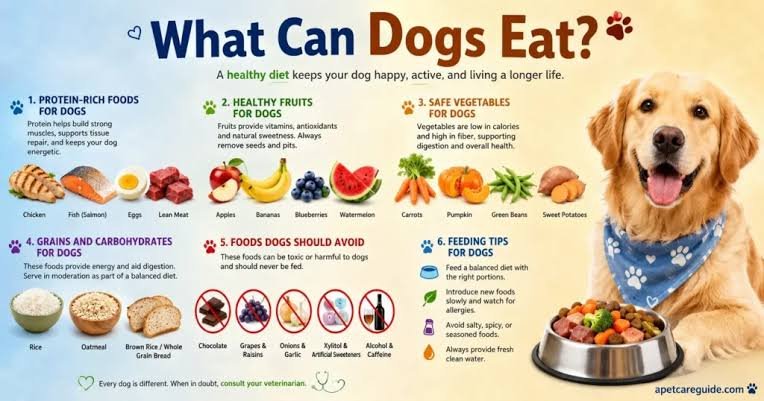
You are what you eat, and so is your pet. Cheap, filler-heavy food might save you a few bucks now, but it often costs more later in vet bills. Look for food that lists real meat or protein as the first ingredient, and matches your pet’s life stage—puppy food isn’t the same as senior dog food, and kittens need different nutrient ratios than adult cats.
Don’t just trust the marketing on the bag. Read labels, and when in doubt, ask your vet what they’d feed their own animal. That question tends to get an honest answer.
💧 2. Hydration Matters More Than You Think
Fresh water should always be available—not just present, but actually fresh. Bowls get slimy, water gets warm and stale, and pets will drink less if it’s unappealing (fair enough, honestly). Change it daily, and consider a pet fountain if your cat is one of those dramatic creatures who refuses to drink from a “boring” bowl.
⚖️ 3. Watch the Waistline
Pet obesity has quietly become one of the biggest health issues out there. Extra weight strains joints, hearts, and lungs, and can shave years off a pet’s life. You should be able to feel (not necessarily see) your pet’s ribs without pressing hard. If you’re not sure, your vet can help you figure out a healthy target weight and a feeding plan to get there.
🏃 4. Exercise Isn’t Optional
A bored pet is often a destructive, anxious, or overweight pet. Dogs generally need daily walks and playtime—the amount depends on breed and age, but even 20-30 minutes can make a real difference. Cats need mental and physical stimulation too; a few minutes of wand-toy chaos a day keeps them sharper and calmer.
Even small pets like rabbits or guinea pigs benefit from supervised time outside their cage to stretch their legs and explore.
🐶 5. Understand Your Pet’s Specific Needs
A husky and a bulldog are both dogs, but their exercise tolerance, heat sensitivity, and grooming needs couldn’t be more different. Same goes for cat breeds, bird species, and reptiles. Do a little research into your specific pet’s breed or species quirks—it saves you from a lot of confusion and guesswork down the road.
�� 6. Regular Vet Checkups Save Lives
Annual checkups (or twice yearly for senior pets) catch problems early, when they’re cheaper and easier to treat. Don’t wait until something’s obviously wrong. Vets can pick up on subtle signs—a slight limp, a change in gum color, a heart murmur—long before you’d notice them at home.
💉 7. Stay on Top of Vaccinations
Vaccines protect against diseases that are often fatal and entirely preventable. Puppies and kittens need a series of shots early on, followed by boosters. Even indoor-only pets need some core vaccines, since diseases can hitch a ride in on your shoes or through an open window.
🦟 8. Parasite Prevention Isn’t Just for Fleas
Fleas, ticks, heartworm, and intestinal parasites can cause serious illness, and some (like heartworm) are much easier to prevent than to treat. Monthly preventatives are usually simple—a chew, a topical, or a collar—and are far less hassle than dealing with an infestation later.
🦷 9. Don’t Skip Dental Care
Dental disease is one of the most under-treated issues in pets, and it’s linked to heart and kidney problems too. Brushing your pet’s teeth a few times a week, offering dental chews, and getting professional cleanings when your vet recommends them can add years of comfort to their life.
🛁 10. Grooming Is About More Than Looks
Regular brushing prevents matting, reduces shedding, and gives you a chance to check for lumps, parasites, or skin issues. Nail trims prevent painful overgrowth, and ear cleaning (especially for floppy-eared dogs) helps avoid infections. Grooming needs vary wildly by breed, so tailor this to your pet.
🏠 11. Create a Safe, Comfortable Environment
Pet-proof your home the way you might for a toddler—secure toxic plants, chemicals, and small swallowable objects. Give your pet a cozy space that’s truly theirs: a bed, a crate, a cat tree, whatever suits them. Pets feel safer when they have a retreat that’s predictable and calm.
🧠 12. Mental Stimulation Prevents Boredom
Puzzle feeders, new toys, training sessions, and even just rotating old toys back into circulation can keep a pet’s mind engaged. Bored pets often develop anxiety or destructive habits—chewed shoes and shredded couches are usually a cry for more enrichment, not spite.
❤️ 13. Socialization Shapes Behavior
Early, positive exposure to new people, animals, and environments helps pets grow into confident, well-adjusted adults. This is especially crucial in the first few months of a puppy or kitten’s life, but older pets can still benefit from gentle, gradual socialization too.
🎓 14. Training Builds Trust, Not Just Obedience
Positive reinforcement training—rewarding good behavior rather than punishing bad—builds a stronger bond and a more confident pet. Basic commands aren’t just for show; they keep your pet safe in real situations, like calling them back from a busy street.
😌 15. Recognize Signs of Stress or Illness
Pets can’t tell you in words when something’s wrong, so you have to learn their language. Changes in appetite, energy, litter box habits, or general demeanor are often the first clues something’s off. Trust your gut—if something feels different, it’s worth a vet visit.
🌡️ 16. Seasonal Care Adjustments
Summer heat can be dangerous, especially for flat-faced breeds and older pets—never leave them in a hot car, even “just for a minute.” Winter brings its own risks: cold paws, dry skin, and antifreeze poisoning from driveway puddles. Adjust routines with the seasons rather than treating every month the same.
👵 17. Senior Pet Care Looks Different
As pets age, their needs shift—softer food, more frequent vet visits, joint supplements, and adjusted exercise expectations. Senior pets deserve patience; that slower walk or extra nap isn’t laziness, it’s just a new normal worth honoring.
🤝 18. Love, Patience, and Consistency Tie It All Together
At the end of the day, pet care isn’t a checklist you complete once—it’s an ongoing relationship. Pets thrive on routine, gentle consistency, and knowing they’re genuinely cared for. The rest—the food, the vet visits, the grooming—all of it is really just an expression of that.
Caring for a pet is a long-term commitment, but it’s one that pays you back in loyalty, companionship, and those quiet moments that make it all worth it. Start with the basics, stay observant, and don’t be afraid to lean on your vet when you’re unsure. Your pet is counting on you—and honestly, they’re pretty good at showing their gratitude in return. 🐾